
The Role of Being eIDAS Compliant in Enhancing Digital Security
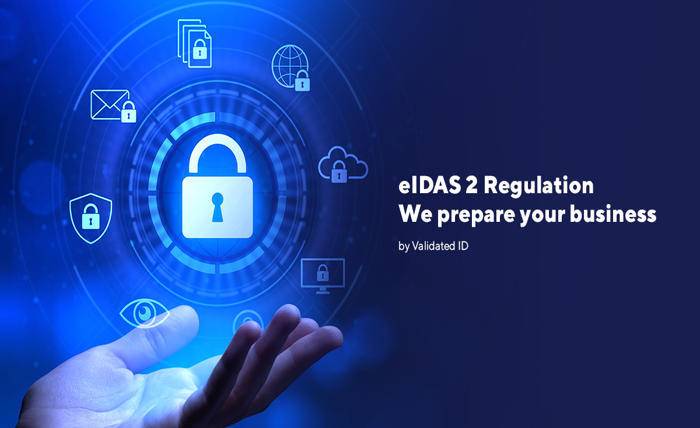
As digital interactions become the backbone of modern economies, ensuring their security, authenticity, and legal validity has never been more critical. In the European Union, the eIDAS regulation plays a pivotal role in providing this assurance. Organizations that are eIDAS compliant gain more than just regulatory approval—they build a foundation of trust, legal certainty, and secure digital operations across borders.
What Is eIDAS and Why Does It Matter?
eIDAS stands for “Electronic Identification, Authentication and Trust Services.” It is an EU regulation (Regulation (EU) No 910/2014) that standardizes how electronic identities and trust services are used across EU member states. Its goal is to ensure that digital interactions—such as signing contracts or verifying identities—are secure, interoperable, and legally recognized across borders.
In practice, eIDAS establishes a framework that includes electronic signatures, electronic seals, timestamps, electronic delivery services, and website authentication. These elements are essential to digital trust and legal certainty in both public and private sectors.
Enhancing Digital Security Through eIDAS Compliance
Digital security is about more than preventing breaches or data loss—it’s about ensuring that digital transactions are safe, reliable, and tamper-proof. Being eIDAS compliant ensures that the processes and technologies used in digital interactions meet the highest standards for security and integrity.
By adhering to the eIDAS regulation, organizations demonstrate that they:
- Authenticate identities securely
- Use verified digital signatures
- Ensure non-repudiation of signed documents
- Maintain integrity and confidentiality of data
- Align with European standards for cybersecurity and privacy
These aspects directly strengthen the overall digital security posture of any organization operating within the EU or doing business with EU entities.
The Power of Qualified Trust Services
A major component of eIDAS is the use of Qualified Trust Service Providers (QTSPs). These providers are audited and approved to deliver secure services such as Qualified Electronic Signatures (QES), which have the same legal effect as handwritten signatures throughout the EU.
This legal recognition is crucial for sectors such as finance, healthcare, and legal services, where signed documentation and verified identities are part of everyday operations. When working with a QTSP, organizations ensure that their digital processes are both secure and legally binding.
Cross-Border Interoperability and Compliance
One of the main challenges of digitalization is the fragmentation of systems across different countries. eIDAS addresses this by making electronic IDs and trust services interoperable throughout the EU.
This allows a company in Germany to legally accept a digital signature from a customer in France, or enables a citizen in the Netherlands to securely access government services in Belgium. This interoperability reduces friction, enhances user experience, and ensures digital trust beyond national borders.
Furthermore, eIDAS compliance aligns with broader EU goals around digital sovereignty and cross-border innovation. For international companies or those operating in multiple EU countries, being eIDAS compliant is essential for scalable, secure operations.
Strengthening Organizational Reputation
Being eIDAS compliant is also a trust signal to customers, partners, and regulators. It shows that an organization takes data privacy, cybersecurity, and legal compliance seriously. This can be a significant competitive advantage in industries where trust is a deciding factor.
Compliance reassures users that their interactions—whether signing a document or verifying their identity—are secure and protected under EU law. It builds confidence in your digital platforms and strengthens long-term user engagement.
Integration with Existing Security Infrastructure
eIDAS compliance doesn’t require reinventing your digital architecture. Leading digital security providers, such as AET Europe, offer eIDAS-compliant solutions that integrate seamlessly with existing identity and access management (IAM) systems, document workflows, and digital signature platforms.
These solutions are designed to scale with your needs, whether you’re a small business needing secure digital signatures or a large enterprise managing identities across borders. With the right partner, eIDAS compliance becomes a strategic asset, not a technical hurdle.
Preparing for the Future of Digital Identity
As the EU continues to expand its digital identity initiatives—such as the European Digital Identity Wallet—eIDAS compliance will become even more central to secure digital interactions. Future regulations and frameworks will build upon the foundation established by eIDAS, reinforcing the need for standardized, secure, and legally recognized digital transactions.
Organizations that adopt eIDAS now are not only enhancing their current digital security but also future-proofing their operations for the next wave of digital transformation.
Conclusion
eIDAS compliance is more than a regulatory requirement—it’s a critical element of modern digital security. It ensures that electronic interactions are secure, authenticated, and legally valid across the EU, empowering organizations to operate with trust and confidence.
By aligning with eIDAS, businesses not only protect their data and users but also position themselves as trustworthy, future-ready leaders in the digital landscape. In a world where digital trust is everything, eIDAS is the gold standard.